
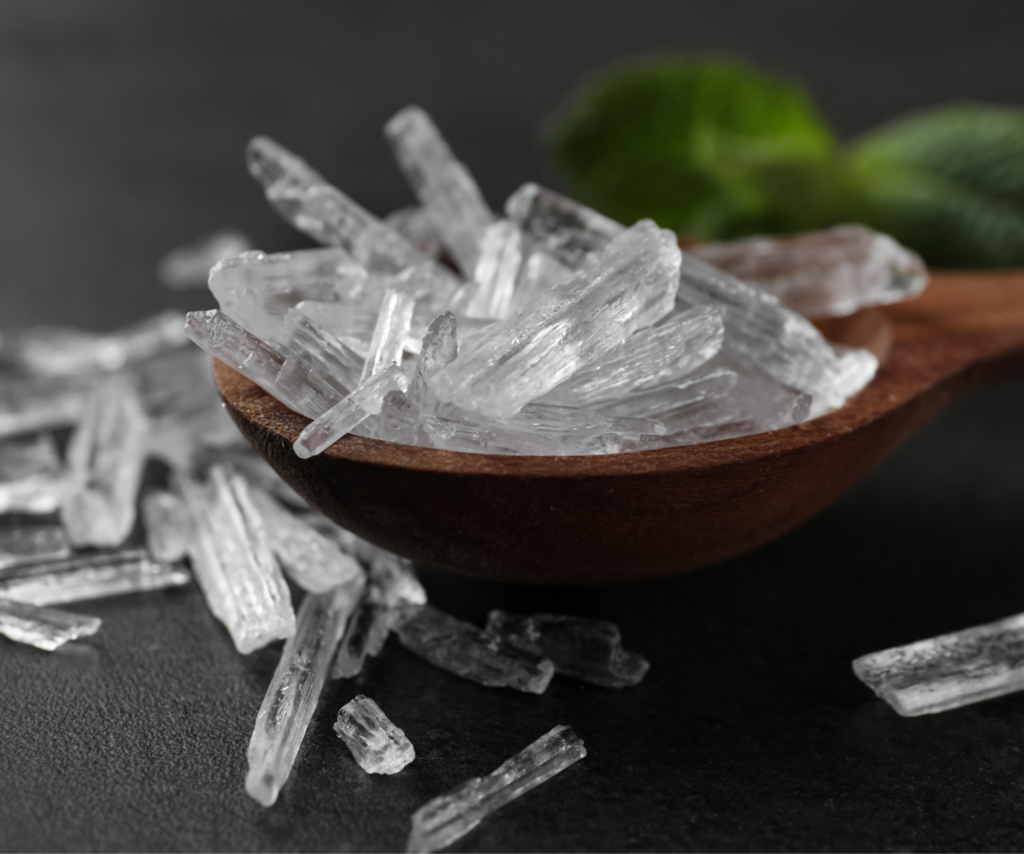
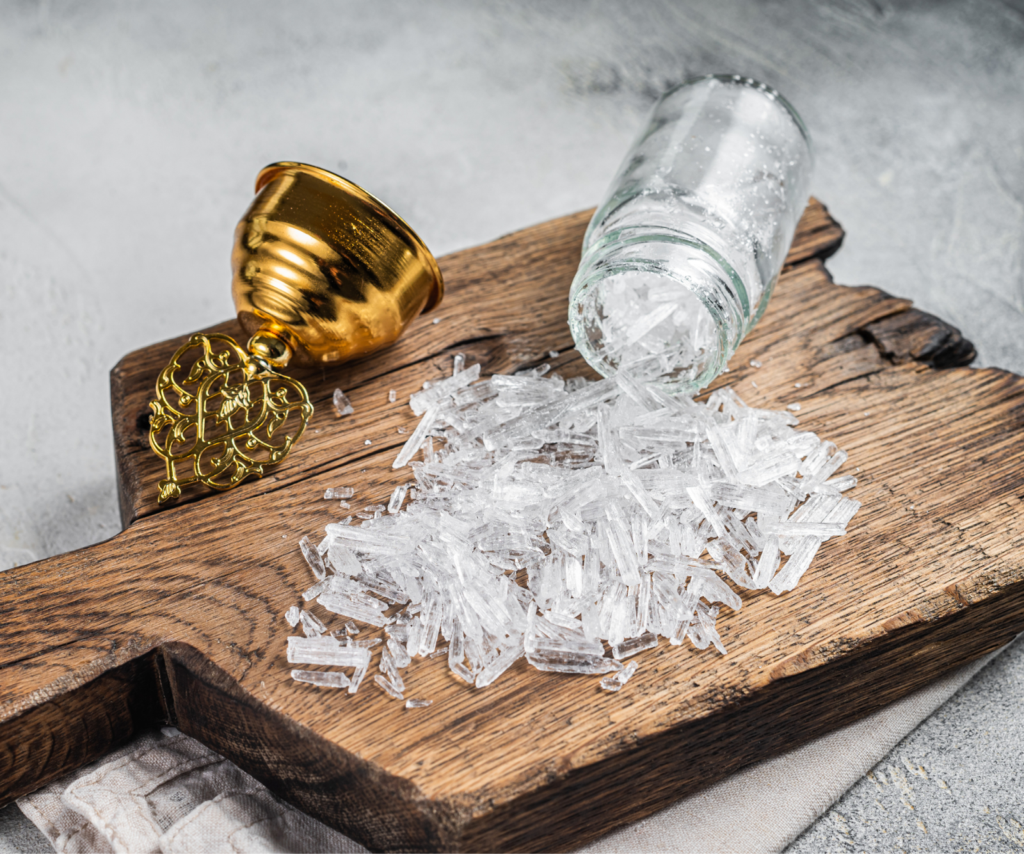
Menthol crystals are natural, crystalline forms of menthol, a compound known for its distinct minty aroma and cooling effect. These crystals are clear or white and carry a powerful scent that is immediately recognizable. Because of their strength and purity, only a small amount is typically needed to create noticeable cooling or aromatic effects.
Derived mainly from mint oils, particularly from Mentha arvensis, menthol crystals have become essential ingredients in a variety of industries. They are widely used in pharmaceuticals, personal care formulations, cosmetics, aromatherapy blends, and even food and flavoring products. Their versatility, purity, and potency make them a valuable resource for manufacturers worldwide, especially those sourcing from a trusted menthol crystals supplier.
M&U International provides high-quality menthol crystal solutions and makes product specifications accessible for industry use. Their detailed standards help companies maintain consistency in product development and formulation.
How Menthol Crystals Are Made
The production of menthol crystals involves a carefully controlled process that includes extracting mint oil, cooling it, and allowing menthol to crystallize. Each stage contributes to the purity and appearance of the final product.
1. Extraction of Mint Oil
The journey of menthol crystals begins with fresh mint leaves, usually from Mentha arvensis. After harvesting, the leaves undergo steam distillation. In this process, steam passes through the plant material, carrying volatile mint compounds with it. When the steam condenses, mint oil is separated from the water and collected.
This essential oil contains a mixture of compounds including menthol, menthone, and other natural constituents. The concentration of menthol in the oil determines the efficiency of the crystallization process.
2. Cooling and Crystallization
After distillation, the mint oil is cooled under controlled temperature conditions. As the temperature drops, menthol begins to separate from the oil. The cooling process typically requires very low temperatures, allowing menthol to solidify into flake-like crystals.
Once the oil reaches the intended temperature and remains there for a set period, the menthol becomes visible as solid crystals dispersed throughout the oil. These crystals are often referred to as flakes. Manufacturers may then re-cool or further process the flakes to create larger, more defined crystals, which are sometimes referred to as bold crystals.
3. Separation and Purification
When crystallization is complete, the menthol crystals are separated from the remaining liquid, called dementholized oil. Methods such as filtration or centrifugation are commonly used for this step. To maximize yield, the remaining oil may be re-cooled to allow additional crystals to form.
Once separated, the crystals undergo purification processes to remove any remaining impurities. This ensures high purity and consistency, making the crystals suitable for use in industries such as pharmaceuticals, food production, and personal care. A reputable menthol crystals supplier will ensure that each batch meets strict quality standards.
4. Drying and Grading
Following purification, the crystals are dried to remove excess moisture. Once dried, they are sorted and graded based on characteristics such as size, shape, and clarity. Different industries may require different grades, so this step allows suppliers to deliver tailored solutions.
Menthol crystals typically exhibit a melting point between 41 and 44°C, which is a reliable indicator of purity. M&U International provides detailed specifications that help buyers understand the standards of their menthol products and verify compliance for various applications.
Why Menthol Crystals Are Popular Across Industries
Menthol crystals are valued for several key reasons:
- Strong cooling effect
- High purity
- Versatility in both water-free and oil-based products
- Long shelf life when stored properly
- Natural origin from mint plants
Their ability to dissolve easily in oils and alcohol makes them especially useful in topical products and aromatherapy blends. They are widely used in chest rubs, balms, liniments, inhalants, toothpaste, mouthwash, lotions, and foot products. Food manufacturers also use them to enhance flavor in candies and mint-based treats.
The demand for a consistent and reliable menthol crystals supplier continues to rise as companies expand into natural ingredient-based formulations. Having access to well-documented product specifications, such as those provided by M&U International, ensures smooth product development and regulatory compliance.
What to Look for in a Menthol Crystals Supplier
Choosing the right supplier is essential for manufacturers who rely on menthol crystals for their product lines. High-quality suppliers offer:
- Purity approaching 99 percent
- Proper, airtight packaging to protect the crystals from temperature and humidity fluctuations
- Industry-level documentation, including certificates of analysis
- Transparent sourcing from established mint-producing regions
- Consistency across batches
Quality assurance is especially important in personal care and pharmaceutical applications, where purity influences safety, aroma, and performance.
M&U International provides clarity and consistency in their product specifications, positioning them as a dependable resource for industries needing bulk menthol crystals.
Common Applications of Menthol Crystals
Menthol crystals are extremely versatile, serving multiple purposes across numerous industries. Their cooling, soothing, and aromatic properties make them a preferred ingredient in:
- Aromatherapy blends and inhalants
- Chest rubs and cough treatments
- Topical balms and pain relief products
- Toothpaste, mouthwash, and oral-care items
- Cooling lotions and creams
- Shower and bath products
- Candies and flavoring applications
- Foot sprays and sports gels
Manufacturers appreciate how little menthol crystal is needed to achieve a noticeable sensory effect. This efficiency makes menthol a cost-effective ingredient, especially for large-scale applications.
Essential Takeaways About Menthol Crystals and Their Suppliers
Understanding what menthol crystals are and how they are produced helps buyers recognize the value of high-purity ingredients. From extraction to crystallization and grading, every step determines the clarity, cooling strength, and quality of the final product. This is why partnering with the right menthol crystals supplier is crucial for companies that depend on consistent, reliable ingredients.Businesses seeking dependable sourcing can explore the detailed specifications provided by M&U International, which supports high-quality formulations and smooth manufacturing processes. With clearly outlined standards and transparent product information, companies can make confident decisions when selecting menthol crystals for commercial or industrial use.