
Essential oils can be remarkably sensitive to the conditions in which they are stored. Heat, light, oxygen, and moisture can gradually change the volatile compounds responsible for an oil’s aroma, appearance, and performance, even when the container remains sealed and the product is technically within its stated shelf life.
For high-value citrus oils, floral extracts, and other aromatic ingredients, climate-controlled warehousing is therefore more than a storage convenience. Stable temperature, controlled environmental conditions, appropriate packaging, and careful handling can help preserve an oil’s intended chemical and sensory profile from receipt through production.
The practical goal is straightforward: keep an ingredient as close as possible to the condition in which it was approved, so a formulation does not change simply because the raw material spent too long in an unsuitable warehouse.
Why Essential Oils Degrade During Storage
Essential oils are complex mixtures of naturally occurring volatile compounds. Depending on the botanical source, these can include terpenes, aldehydes, esters, alcohols, ketones, and other constituents that collectively create an oil’s characteristic aroma.
Those compounds are not equally stable.
Temperature, oxygen, light, and time can influence chemical reactions within the oil. Oxidation is particularly important because some volatile components can react with oxygen and form secondary compounds that change both the chemistry and sensory character of the material.
Heat can accelerate these reactions. A warehouse that becomes significantly warmer than the recommended storage condition may therefore shorten the practical stability window of an ingredient.
Light presents another concern. Ultraviolet exposure can promote photochemical reactions in susceptible compounds, potentially contributing to oxidation, discoloration, or changes in aroma.
Moisture can also become relevant depending on the material, packaging system, and storage environment. Although many essential oils are not water-soluble, poor environmental control can affect packaging integrity and contribute to condensation or other handling problems.
The result may be subtle at first: an aroma that seems slightly flatter, a color that has shifted, or a sensory note that no longer matches the approved reference sample.
For a manufacturer using a small quantity of a high-value oil, that difference can have a disproportionate commercial impact.
Heat, Light, and Oxygen Can Change the Aroma Profile
The chemistry of essential oil degradation helps explain why storage conditions matter.
Heat speeds up chemical change
Temperature does not simply make an essential oil warmer; it can change the rate at which chemical reactions occur. Higher temperatures can accelerate oxidation and other degradation pathways, particularly over extended storage periods.
Citrus oils are a useful example. Their characteristic freshness is strongly associated with volatile compounds such as limonene, which can oxidize during storage. The resulting compounds can have different sensory characteristics from the original material.
This does not mean every warm exposure immediately ruins an oil. Short-term temperature fluctuations and long-term storage conditions are different problems. The concern is cumulative exposure and whether the storage environment consistently protects the material.
Light can contribute to oxidation and color changes
Essential oils should generally be protected from direct sunlight and unnecessary UV exposure.
Light can trigger chemical reactions in photosensitive compounds. Depending on the oil, this may contribute to changes in color, odor, or chemical composition.
Opaque, amber, or otherwise UV-protective packaging can reduce exposure, but packaging is only one part of the equation. Containers should also be stored away from windows, strong artificial light, and other unnecessary sources of illumination.
Oxygen affects the headspace
The air above an essential oil inside a partially filled container is known as the headspace. Every time a container is opened, the headspace can be replenished with oxygen.
Over repeated openings, oxygen can become relevant to oxidation-sensitive ingredients.
This is particularly important for materials that are purchased in larger containers but consumed gradually. A container that remains partially full for months may have a very different exposure history from a container opened once and used immediately.
For suitable products and packaging systems, nitrogen purging can reduce oxygen exposure in the headspace after opening. The procedure must be performed using appropriate equipment and established handling protocols rather than treated as a universal requirement for every essential oil.
Climate-Controlled Warehousing Creates a More Stable Environment
For many essential oils, a commonly used target storage range is approximately 15°C to 20°C (59°F to 68°F), provided that the supplier’s product-specific recommendations do not specify otherwise.
The important point is not simply reaching a particular temperature once. It is maintaining a relatively stable environment throughout storage.
A warehouse that is cool in the morning but becomes significantly hotter every afternoon can expose ingredients to repeated temperature cycles. Those fluctuations may matter even if the average temperature looks acceptable on paper.
A specialized storage facility can use HVAC systems, monitoring equipment, alarms, and documented procedures to maintain environmental conditions more consistently than a conventional non-controlled warehouse.
Humidity should also be managed according to the ingredient and packaging requirements. Essential oils themselves are generally not stored in the same way as water-based materials, but environmental humidity can still matter for labels, closures, secondary packaging, drums, cartons, and overall container integrity.
Good warehousing therefore considers the entire storage system, not just the liquid inside the container.
Packaging Is the First Line of Aroma Protection
Even the best warehouse cannot compensate for unsuitable packaging.
Essential oils should be stored in containers appropriate for the material, with closures that limit unnecessary air exchange and packaging that protects against light where required. The exact material depends on the chemical properties of the oil, container size, expected storage duration, and handling conditions.
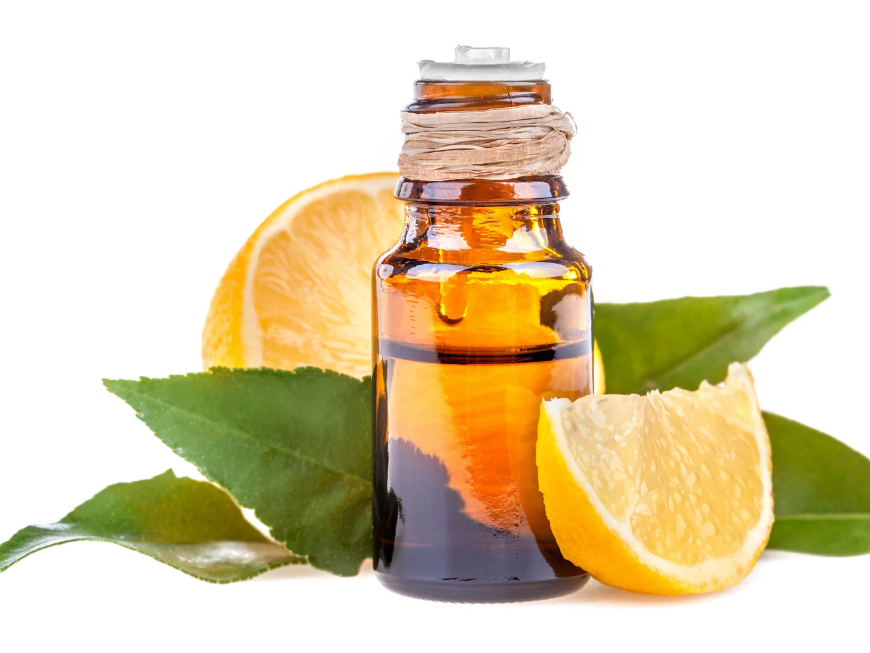
UV-protective packaging can be particularly useful for light-sensitive materials. Amber glass is common for smaller quantities, while larger commercial volumes may use specialized drums or other compatible containers.
The container should also remain tightly closed whenever the ingredient is not being actively dispensed.
For opened containers, reducing unnecessary headspace exposure can become an important part of the storage strategy. Nitrogen blanketing or purging may be appropriate for certain oxidation-sensitive materials, but it should be based on product specifications and a controlled procedure.
A warehouse operator should also track container status. An unopened drum and a drum that has been opened repeatedly should not necessarily be treated as having the same exposure history.
From Temperature Control to Lot Integrity
Climate control protects more than chemistry. It also supports batch-to-batch consistency.
Imagine a fragrance manufacturer approving an essential oil based on a reference sample. The formulation team expects the incoming material to reproduce the same sensory profile when it enters production several months later.
If the oil has experienced excessive heat or oxygen exposure, the incoming batch may no longer smell exactly like the approved reference.
The change might be obvious, or it might only become noticeable after the material is incorporated into a finished fragrance or flavor system.
That creates a quality-control problem and potentially a financial one.
If a lot falls outside specification, the manufacturer may need additional testing, rework, blending, discounting, or disposal. In high-value ingredients, those costs can exceed the apparent savings from using a cheaper but less controlled storage environment.
This is why storage should be considered part of the quality chain rather than an administrative step between purchasing and manufacturing.
Specialized 3PL Storage Can Protect High-Value Inventory
Not every manufacturer needs to operate its own climate-controlled warehouse.
A specialized third-party logistics provider can provide storage infrastructure, environmental monitoring, inventory management, and handling procedures without requiring a company to build and maintain its own facility.
For businesses working with premium aromatic ingredients, the value is not simply the square footage. The more important question is whether the facility understands the sensitivity of the materials being stored.
M&U International provides an example of this type of ingredient-focused logistics model, with warehousing and distribution operations supporting its portfolio of essential oils, natural and synthetic aromatic chemicals, and related ingredients.
Using specialized storage can create an additional layer of protection between a high-value raw material and environmental conditions that could compromise it. For manufacturers, that can mean fewer avoidable quality issues and better control over inventory as materials move toward production.
What a Good Storage Protocol Should Include
A robust essential oil storage program should be specific enough that environmental protection does not depend entirely on individual warehouse employees remembering what to do.
At minimum, companies should establish documented requirements for:
Temperature: Maintain a stable environment around the product’s recommended range, such as 15°C–20°C when appropriate for the specific oil.
Humidity: Monitor ambient conditions according to packaging and product requirements, while preventing environmental conditions that could compromise containers or secondary packaging.
Light: Keep light-sensitive materials away from direct sunlight and unnecessary UV exposure.
Containers: Use packaging compatible with the oil and maintain appropriate closure integrity.
Headspace: Minimize unnecessary oxygen exposure, with nitrogen purging or blanketing used where product specifications and procedures call for it.
Monitoring: Record temperature and other relevant environmental conditions rather than relying solely on occasional manual checks.
Inventory rotation: Use appropriate inventory-control practices so older material is not left forgotten while newer stock is consumed.
Traceability: Maintain a lot of information, receiving records, storage history, and release documentation.
These controls work together. Temperature control alone cannot correct poor container selection, just as excellent packaging cannot fully compensate for prolonged exposure to extreme warehouse temperatures.
The Business Case: Protecting Margin and Brand Consistency
The financial argument for climate-controlled storage becomes clearer when the cost of failure is considered.
Essential oils can represent a meaningful investment, particularly when the material is scarce, specialty-grade, or used in premium formulations. Losing an inventory lot means losing not only the purchase value but potentially the labor, testing, transportation, and production planning associated with that material.
There is also the downstream cost.
A fragrance or flavor formulation may have been approved based on a specific sensory profile. If the raw ingredient changes substantially during storage, the finished product may no longer perform as expected.
That can lead to additional quality investigations, customer complaints, production delays, or reformulation work.
Climate-controlled warehousing does not eliminate these risks. It reduces one controllable source of variability.
That distinction is important. A properly managed warehouse cannot stop an essential oil from aging, and no storage condition guarantees permanent chemical stability. Product-specific shelf life, supplier specifications, packaging, and handling practices still matter.
The strongest approach is therefore to combine controlled storage with routine quality checks and documented release criteria.
A Practical Approach to Essential Oil Storage
Manufacturers evaluating their current storage arrangements can start with a simple question: What conditions would cause this specific oil to change, and can the warehouse demonstrate that those conditions are being controlled?
Review the supplier’s recommended storage conditions first. Then compare them with the actual warehouse environment, including temperature fluctuations, light exposure, packaging, container-opening practices, and inventory duration.
For high-value or oxidation-sensitive oils, consider whether additional controls such as environmental monitoring, UV protection, nitrogen management, or specialized third-party storage are justified.
The answer will not be identical for every ingredient.
A stable, well-documented storage environment is particularly valuable when the raw material is expensive, difficult to replace, or critical to a finished formulation. In those cases, protecting the ingredient’s original aroma profile may be considerably less expensive than discovering after months of storage that the material no longer meets expectations.
Frequently Asked Questions About Essential Oil Storage
1. What is the best temperature for storing essential oils?
A commonly used controlled range for many essential oils is approximately 15°C–20°C (59°F–68°F), but the correct condition depends on the specific oil, supplier specification, packaging, and intended storage period. Always prioritize the product-specific storage recommendation.
2. Does heat damage essential oils?
Prolonged or excessive heat can accelerate oxidation and other chemical reactions that may alter an essential oil’s aroma, color, and composition. Heat exposure does not necessarily cause immediate failure, but repeated or extended exposure can reduce quality over time.
3. Why should essential oils be protected from light?
Light, particularly UV exposure, can promote chemical reactions in susceptible compounds. Protecting oils from direct sunlight and using appropriate light-resistant packaging can help reduce unnecessary degradation.
4. Should nitrogen be used after opening an essential oil?
Nitrogen purging or blanketing can reduce oxygen exposure in the container headspace and may be useful for oxidation-sensitive materials. However, it should be based on the specific product, packaging system, supplier recommendations, and an established handling procedure rather than automatically applied to every oil.
5. Why use a climate-controlled 3PL warehouse for essential oils?
A specialized 3PL can provide controlled environmental conditions, monitoring, inventory management, and appropriate handling without requiring the manufacturer to operate its own specialized facility. For high-value ingredients, this can help reduce preventable degradation, inventory losses, and batch-to-batch variability.
Protecting an essential oil’s aroma begins long before it reaches the mixing tank, and disciplined climate-controlled storage helps ensure that the ingredient manufacturers approved is the ingredient they ultimately receive for production.